Sabarimala case review: Petitioners question ‘insult’ to Indian Dharmic traditions, push for religious autonomy
Background
Introductory Memo
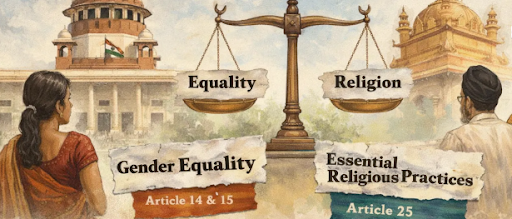
As the Supreme Court of India prepares to revisit the Sabarimala Temple Entry Case, a larger constitutional faultline comes into focus: can courts define what is intrinsic to a faith? With a 9-judge bench set to deliberate, the proceedings are poised to test the limits of judicial authority over religious traditions and may ultimately redraw the balance between individual rights and collective religious autonomy under Articles 25 and 26.
The Supreme Court of India, on February 16, 2026, announced that it will begin hearing review petitions challenging its 2018 Sabarimala verdict from April 7, 2026. This time, the matter is expected to go before a nine-judge bench.
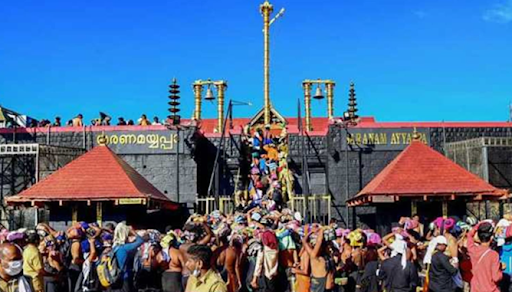
The 2018 ruling had opened the doors of the Sabarimala Dharma Sastha Temple in Kerala to women of all age groups, including those between 10 and 50 years. The decision sparked widespread backlash, with many devotees and religious bodies arguing that the court had stepped into matters of faith and long-standing tradition. Soon after, multiple petitions were filed, urging the court to revisit its judgment and draw clearer boundaries around judicial intervention in religious practices.
In 2019, a five-judge Constitution bench led by then Chief Justice Ranjan Gogoi examined 56 review petitions. While it acknowledged the complexity of the issue and referred key questions to a larger bench — particularly whether courts can interfere in essential aspects of religion — it stopped short of staying the original verdict.
Now, on April 7, the Supreme Court is set to hear around 60 review petitions. These come from a wide spectrum—temple authorities, priests, devotee groups, religious organisations, and individuals — reflecting that the challenge to the 2018 ruling is not one-sided. Among them is a petition by Gitarth Ganga, a 35-year-old spiritual research institute guided by Jainacharya Yugbhushansuriji, which calls for restoring religious autonomy, recognising religion and religious denominations as legal entities, and reinterpreting Articles 25 and 26 within the Indian context.
Jainacharya Yugbhushansuri, also known as Yugbhushan Surishwarji Maharaj, is a prominent Jain monk, scholar, and religious leader from the Svetambara tradition of Jainism. He, who is also fondly known as Sahebji, is one of the review petitioners in the Sabarimala Temple Entry Case. Here's all that you need to know about the issue -
Demands to the court through a review petition:
In an exclusive conversation with Sahebji, he made it clear that courts should not be deciding what is or isn’t “essential” to a religion. “That’s a theological question,” he said, speaking to the Maharashtra Knowledge Centre (MHKC). He pointed out that the ‘Essential Religious Practices’ doctrine — originally framed in the Shirur Mutt case of 1954 for a limited purpose — has, over time, been stretched and used to override deeply held religious beliefs.
In his view, religion should be guided by faith, tradition, and the community that practices it — not by judicial interpretation. If this trend continues, he warned, even practices central to a community’s identity could be struck down in the name of “constitutional morality.”
He also raised a structural concern. Indian-origin religions — broadly understood to include Hindus, Buddhists, Jains, and Sikhs — still lack clear juristic recognition. “They cannot enforce rights, hold property independently, or even challenge interference in their own name,” he noted, calling this a serious gap that leaves religious communities vulnerable. According to him, the upcoming nine-judge bench must address this by granting religious institutions a recognised legal personality.
Sahebji further argued for a fresh look at Articles 25 and 26 of the Constitution, which deal with religious freedom and the management of religious affairs. As per the Jainacharya, these provisions were borrowed from Ireland’s Constitution — a framework shaped largely around Christianity and its institutional structure. He believes they were adopted in India without adequately consulting indigenous religious leaders or understanding the country’s unique religious fabric. “The Hindi text of the Constitution uses the term ‘dharmik sampradaya,’ which is rooted in our own traditions,” he said. “Its interpretation should come from that context—not from borrowed frameworks.”
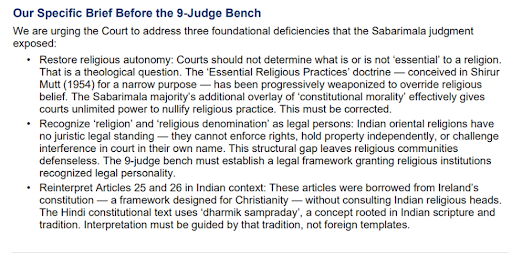
(Document exclusively obtained by MHKC)
Shifting balance towards religious autonomy
Reinterpretation of Articles 25 and 26 of the Constitution of India is a key strategy for the petitioner challenging the 2018 verdict in the Sabarimala Temple Entry Case, as it holds potential to fundamentally shift the legal outcome. Petitioner aims to strengthen Article 26, which grants religious denominations the right to manage their own affairs. The matter is not only about the entry of women in the temples, but in this case, if the Sabarimala Temple is recognized as a distinct religious denomination, it could claim autonomy over its practices, including entry restrictions. This would limit judicial interference in what is seen as an internal religious matter.
At the same time, the petitioner seeks to narrow the scope of Article 25, which guarantees individual religious freedom. In the 2018 judgment, the Court prioritized women’s individual right to worship over traditional restrictions. A reinterpretation could potentially argue that individual rights must be balanced against the collective rights of a religious group.
Another major aspect is revisiting the “essential religious practices” doctrine, where courts decide what is fundamental to a religion. Petitioners argue that this allows judges to enter into the theological territory. If courts step back from this role, religious communities themselves would define their essential practices. Additionally, limiting the use of “constitutional morality” could prevent courts from striking down practices solely on equality grounds, thereby preserving traditional customs.
Overall, reinterpretation would tilt the focus from individual equality rights toward religious autonomy, potentially validating the temple’s traditional practices and weakening the basis of the 2018 ruling.
Notably, in the given case, there were also a few women devotees who raised objections over the 2018 verdict. Given this, the petition clearly states that the liberal spirit of interpretation that gave humans the right to a dignified life, the right to livelihood, and the right to sexual identity must now be applied to Articles 25 and 26 together. “Religious freedom deserves at least the same generosity of interpretation that has been extended to every other constitutional right,” it reads.
Consultation with religious leaders: Demand for greater respect, dignity, and independent recognition of religions within the legal system (excerpts)
The legal practitioners who are looking after the entire case on behalf of Sahebjji exclusively talked to MHKC and clarified that the issue is not about gender equality or specifically keeping women out of the religious system. According to the authorities, the issue is about all the religious practices that are generally questioned by the Constitution on the grounds of 'morality'. "We expect the nine-judge bench to also look into matters such as the entry of Muslim and Parsi women into places of worship, and female genital mutilation in the Dawoodi Bohra community. Even in Jainism, we have a practice called Santhara, which is looked upon as a suicide when it comes to 'morality'. The bench needs to decide if the court must interfere in integral parts of a religion or not," the petitioners noted.
Question: How do you interpret the balance between Article 25 and Article 14, which talk about freedom of religion and the right to equality, respectively? How do you respond to critics who say this demand in the petition is discriminatory rather than devotional?
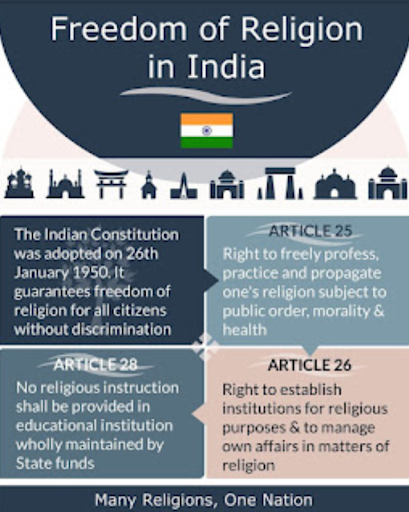
Article 25 of the Constitution of India guarantees freedom of religion to all persons equally, reflecting a broad and inclusive idea of equality. Our position is that this principle must extend to all religions uniformly, without selectively targeting or labelling specific religious practices as discriminatory. This petition is not a challenge to gender equality; we fully uphold that value. Rather, it raises a larger constitutional concern: the extent to which courts can intervene in religious structures and practices without meaningful consultation with the communities involved.
From our perspective, the 2018 judgment in the Sabarimala Temple Entry Case effectively results in unequal treatment of a particular religious tradition, thereby creating a form of discrimination against that religion itself. Critics should recognize that the issue is not about opposing equality, but about ensuring fairness in how constitutional principles are applied across religions. When judicial decisions disproportionately impact specific religious practices, it raises serious questions about balance, neutrality, and respect for religious autonomy. At its core, this is about addressing what is seen as an injustice toward religious communities and seeking a constitutional framework that protects both equality and the independence of religious traditions.
Question: Do you think this case could affect religious practices at other religious institutions?
We want to clarify that this issue is not limited to the Sabarimala Temple or to one specific question about women’s entry. It is a much broader constitutional issue. The concerns raised in this petition apply across religions and to multiple practices. It is not just about Sabarimala, but also relates to issues like the entry of Muslim and Parsi women into places of worship, practices such as female genital mutilation in the Dawoodi Bohra community, and even Jain practices like Santhara, which is sometimes viewed as suicide under modern interpretations of morality.
This petition goes beyond temple or gender issues; it questions the larger relationship between the State and religion. The aim is to ensure that religious institutions are given independence and are not subject to unnecessary state control. Other aspects, though important, are secondary to this core concern.
Our position is clear viz the State should not interfere in the religious practices of any religion. Traditions and systems of Dharma are much older than the Constitution of India, and ideally should not be overridden or questioned by it. Historically, religious communities had their own systems to resolve disputes, which functioned effectively. These systems changed significantly during the British period, when a centralized legal structure was introduced.
If we look at countries like the UK, Ireland, and Italy, religions such as Christianity and Islam largely function with autonomy, without deep state interference. In contrast, in India, religions are often not treated as fully independent, and the State frequently intervenes in their internal matters. It is important to recognize that Indian religions have their own philosophical depth and ethical frameworks, and are capable of determining what is right for themselves.
Question: How do you want the state or the court to define morality and essential religious practice?
All fundamental rights in the Constitution of India are stated to be “subject to morality.” However, Bharatiya Dharmas are themselves rooted in strong ethical and moral principles. So when religious rights are made subject to “morality,” it can appear as if these traditions are being viewed as potentially immoral. This raises an important question: how can Dharma, which teaches moral conduct, be seen as going against morality? Another concern is that these religious rights are influenced by frameworks from countries like Ireland, rather than being shaped fully from an Indian civilisational perspective. India is a deeply religious society, and the Constitution should reflect and respect that, ensuring genuine freedom for Indian-origin religions.
The issue also goes beyond one case or one practice. After the review, petitions are heard in the Sabarimala Temple Entry Case, and different benches may examine various religious practices separately, to provide autonomy to religions such as Hinduism, Jainism, Sikhism, and Buddhism. The overall scope of the matter is broad and far-reaching. Further, on the question of “essential religious practices,” it is argued that courts should not decide what is right or wrong for a religion on their own. Just as courts consult medical experts in medical cases, they should also consult religious scholars and Dharma gurus in religious matters. The demand is for greater respect, dignity, and independent recognition of religions within the legal system.
Kerala government's U-turn over the verdict:
In a major development, the Kerala government, led by the Left Democratic Front (LDF), urged the Supreme Court to consult religious scholars before deciding the Sabarimala temple review. “Any judicial review into any religious practice followed for so many years connected with the belief and values accepted by the people must be after wide consultation with and after soliciting views of eminent religious scholars and reputed social reformers of that religion,” the Kerala government stated in its recent submissions to the bench.
Notably, the Kerala government had, earlier, supported the decision of the Constitution Bench of the Supreme Court delivered on 28th September, 2018. The decision allowed the entry of all women, irrespective of their age, into the temple.
“What is to be considered by the Court, in the matter of a judicial review about Article 25, should not be as to whether a particular religious practice or belief appeals to reason or sentiment, but should be as to whether the belief is genuinely and conscientiously held as part of the profession or practice of religion,” the state government added.
Conclusion:
So far, broadly around 50-60 review petitions have been filed in this case against the 2018 verdict. The entire list of the petitioners is not available, but the list includes Kantaru Rajeevaru (Chief priest of Sabarimala Temple); religious organisations like the Nair Service Society, National Ayyappa Devotees (Women’s) Association, All Kerala Brahmins Association, and Travancore Devaswom Board; royal stakeholders like the Pandalam Royal Family; and various Ayyappa devotee groups and individual worshippers including women devotees supporting the traditional restriction.
The clubbing of the Sabarimala Temple Entry Case with issues like the entry of Muslim women into mosques and practices such as FGM is not seen as a setback. The intention of the review petitions filed in the case seems to be broader, viz., to examine how far a secular court can go in deciding religious and theological matters, especially what constitutes an “essential religious practice.” This is the reason the matter has been referred to a larger 9-judge Bench. Petitioners argue that the 2018 judgment imposes a framework that does not suit Hindu traditions, effectively applying standards from other religions. They seem to be hopeful that the larger Bench will be mindful of these concerns and avoid using a one-size-fits-all approach.
Further, since all review and related petitions have been referred to a larger Bench, which will be heard on 7th April, 2026, there is a view that the 2018 judgment should not be enforced until a final decision is made. In this context, reliance is placed on the earlier 1991 Kerala High Court ruling, which upheld the traditional practice at the Sabarimala Temple. The 1991 judgement of a Division Bench of the Kerala High Court in S. Mahendran vs The Secretary, Travancore, held that the practice of the Sabarimala Ayyappa Temple of not permitting the entry of women of a procreative age group was constitutional and directly relatable to the nature of the Presiding Deity.
In conclusion, the core argument seems to revolve around finding a fair balance between the State and the religious institutions, in addition to the affirmed demands for independent recognition of Indian oriental Dharmas within the Indian legal system.
Background of the case:
The 2018 decision of the Constitution was delivered in response to the original writ petition filed before the Supreme Court in 2006, seeking directions to allow women aged between 10 and 50 to enter the Sabarimala temple and to declare Rule 3(b) of the Kerala Hindu Places of Public Worship (Authorisation of Entry) Rules, 1965 unconstitutional for allegedly violating Articles 14, 15 and 25 of the Constitution.
In September 2018, a Constitution Bench, by a 4:1 majority, ruled in favour of the entry of women between 10 and 50 into the Sabarimala temple. Justice Indu Malhotra was the lone dissenting voice, who upheld the temple tradition prohibiting the entry of women of menstruating age into the temple.
The Supreme Court decision received huge backlash from Lord Ayyappa devotees, including women. Subsequently, review petitions were filed against the judgment. In November 2019, a five-judge Bench, by a 3:2 majority, observed that the judgment may impinge on the affairs of other religions too, and therefore, a detailed examination would be required. It referred the broader questions relating to the scope of religious freedom and essential religious practices to a nine-judge bench.
- 2018 Sabarimala verdict and dharmic perspectives
- Supreme Court review on women’s entry – explained
- SC refers Sabarimala review petitions to larger bench
- Interview on religious traditions and Sabarimala
- Kerala govt seeks wider consultation on Sabarimala entry
- Legal interpretation of Sabarimala verdict developments
- Review Petitions Filed: 56–60
- Constitutional Articles Involved: 14 (Equality), 25 (Religious Freedom), 26 (Religious Denomination Rights)
🚀 Coming Soon
We’re building something amazing.
Introductory Memo
भारतीय सर्वोच्च न्यायालयाने १६ फेब्रुवारी २०२६ रोजी जाहीर केले की, ते ७ एप्रिल २०२६ पासून शबरीमाला मंदिरावरील २०१८ च्या निकालाबाबतच्या पुनरावलोकन याचिकांवर सुनावणी सुरू करेल. न्यायालयाने यासाठी ९ न्यायाधीशांचे खंडपीठ स्थापन करण्याची योजना आखली आहे. २०१८ मध्ये, सर्वोच्च न्यायालयाने शबरीमाला धर्म संस्था मंदिरात तरुण महिलांना (१० ते ५० वर्षे वयोगटातील पाळी येणाऱ्या) प्रवेश देण्याची परवानगी दिली होती, ज्यामुळे मोठ्या संख्येने धार्मिक संस्था आणि भक्तांकडून तीव्र प्रतिक्रिया उमटल्या होत्या. यानंतर, न्यायालयाने स्वतःच्या निकालाचा पुनर्विचार करावा आणि त्यात सुधारणा करावी, धार्मिक स्वातंत्र्याची परवानगी द्यावी आणि अत्यावश्यक धार्मिक प्रथांमधील कथित कायदेशीर हस्तक्षेप रोखावा, अशी मागणी करणाऱ्या अनेक याचिका दाखल करण्यात आल्या.
२०१९ मध्ये, तातडीच्या याचिकांचे पुनरावलोकन करण्यासाठी ५ न्यायाधीशांचे खंडपीठ स्थापन करण्यात आले होते. तत्कालीन सरन्यायाधीश रंजन गोगोई यांच्या नेतृत्वाखालील घटनापीठाने एकट्याने ५६ याचिकांचे पुनरावलोकन केले आणि असा निर्णय दिला की, घटनात्मक न्यायालय धर्माच्या अविभाज्य भागांमध्ये हस्तक्षेप करू शकते का? हे ठरवण्यासाठी एक खंडपीठ स्थापन केले जाईल. मात्र, त्यावेळी न्यायालयाने शबरीमाला मंदिरात महिलांच्या प्रवेशाला परवानगी देणाऱ्या आदेशाला स्थगिती देण्यास स्पष्ट नकार दिला होता.
सर्वोच्च न्यायालय ७ एप्रिल २०२६ रोजी या प्रकरणातील आतापर्यंत दाखल झालेल्या सर्व ६० पुनरावलोकन याचिकांवर सुनावणी करणार आहे. २०१८ च्या निकालाला आव्हान देणाऱ्या याचिकाकर्त्यांमध्ये केवळ एकाच बाजूचे लोक नसून, मंदिर प्रशासन, पुजारी, भक्त संघटना, धार्मिक संस्था आणि वैयक्तिक याचिकाकर्ते अशा दोन्ही बाजूंचा समावेश आहे. यापैकीच एक महत्त्वाची याचिका 'गीतार्थ गंगा' या ३५ वर्षे जुन्या आध्यात्मिक संशोधन संस्थेने दाखल केली आहे. तीर्थंकर श्री महावीर स्वामींचे ७९ वे उत्तराधिकारी आध्यात्मिक सार्वभौम जैनचार्य युगभूषणसुरीजी यांच्या मार्गदर्शनाखाली ही संस्था काम करते. या याचिकेद्वारे धार्मिक स्वायत्तता पुन्हा प्रस्थापित करणे, 'धर्म' आणि 'धार्मिक संप्रदाय' यांना कायदेशीर घटक (Legal Entity) म्हणून मान्यता देणे आणि या राज्यघटनेतील कलम २५ आणि २६ चा पुनर्रचना करण्याची मागणी करण्यात आली आहे. या प्रकरणाशी संबंधित सर्व महत्त्वाच्या गोष्टी खालीलप्रमाणे आहेत –
जैनचार्य युगभूषणसुरी, जे 'युगभूषण सुरीश्वरजी महाराज' म्हणूनही ओळखले जातात, हे जैन धर्माच्या श्वेतांबर परंपरेतील एक प्रख्यात जैन मुनी, विद्वान आणि धर्माचार्य आहेत. १९५७ मध्ये जन्मलेल्या साहेबजींनी १९७९ मध्ये दीक्षा घेतली. त्यानंतर २००८ मध्ये त्यांची 'आचार्य' पदावर, तर २०२० मध्ये सध्याच्या जैन शासन व्यवस्थेतील सर्वोच्च आध्यात्मिक अधिकार असलेल्या 'गच्छाधिपती' (आध्यात्मिक सार्वभौम) पदावर नियुक्ती झाली. 'पंडित महाराज साहेबजी' म्हणून आदराने ओळखले जाणारे युगभूषणसुरीजी धार्मिक अधिकार आणि स्वायत्ततेवरील चर्चेत नेहमीच सक्रिय राहिले आहेत. यामध्ये पवित्र तीर्थक्षेत्रांच्या संरक्षणासाठी झालेल्या 'शिखरजी आंदोलना'सारख्या मोहिमांचा समावेश असून त्यांनी 'धर्माचे सार्वभौमत्व' या विषयावर लेखन आणि प्रवचनेही केली आहेत. धर्म, कायदा, भू-राजकारण आणि सभ्यतावादी विचारांचा सुरेख संगम साधणारे एक महान धार्मिक बुद्धिवंत म्हणून त्यांच्याकडे पाहिले जाते. सध्याच्या परिस्थितीत, ते सबरीमाला मंदिर प्रवेश प्रकरणातील प्रमुख याचिकाकर्त्यांपैकी एक असून, त्यांचा युक्तिवाद हा प्रामुख्याने धार्मिक स्वायत्तता विरुद्ध सरकारी हस्तक्षेप, धर्मांना कायदेशीर संस्था म्हणून मान्यता मिळवून देणे आणि संविधानातील कलम २५ व २६ चा भारतीय संदर्भात पुनर्विचार करणे यावर केंद्रित आहे.
आध्यात्मिक सार्वभौम युगभूषण सुरीश्वरजी महाराज (भारतपीडिया)
पुनरावलोकन याचिकेद्वारे न्यायालयाकडे केलेल्या प्रमुख मागण्या:
साहेबजींशी झालेल्या विशेष चर्चेनुसार, एखाद्या धर्मासाठी नेमके काय 'अत्यावश्यक' (Essential) आहे आणि काय नाही, हे न्यायालयाने ठरवू नये, असा त्यांचा ठाम विश्वास आहे. "हा एक तात्विक आणि धर्मशास्त्राशी संबंधित प्रश्न आहे," असे त्यांनी 'न्यूजभारती' आणि 'महाराष्ट्र नॉलेज सेंटर' (MHKC) शी विशेष बोलताना सांगितले. त्यांनी पुढे असेही नमूद केले की, १९५४ च्या 'शिरूर मठ' प्रकरणात एका मर्यादित हेतूने तयार करण्यात आलेला 'अत्यावश्यक धार्मिक प्रथा' (Essential Religious Practices) हा सिद्धांत, आता धार्मिक श्रद्धांना डावलण्यासाठी पद्धतशीरपणे एका शस्त्रासारखा वापरला जात आहे. त्यांच्या मते, कोणताही धर्म हा तत्वज्ञान, शास्त्रे आणि परंपरांनुसार चालला पाहिजे, न्यायालयांनुसार नाही; आणि धर्मातील 'योग्य' किंवा 'अयोग्य' काय आहे हे ठरवण्याचे काम न्यायालयांचे नाही. "जर हे असेच सुरू राहिले," ते म्हणाले, "तर समाजासाठी महत्त्वाची असलेली कोणतीही धार्मिक प्रथा भविष्यात आव्हानात्मक ठरू शकते आणि ती काढून टाकली जाऊ शकते."
त्यांनी पुढे असेही नमूद केले की, भारतीय पौर्वात्य धर्मांना कोणतीही कायदेशीर मान्यता नाही. "ते स्वतःच्या हक्कांची अंमलबजावणी करू शकत नाहीत, स्वतंत्रपणे मालमत्ता धारण करू शकत नाहीत किंवा स्वतःच्या नावाने न्यायालयातील हस्तक्षेपाला आव्हानही देऊ शकत नाहीत. ही संरचनात्मक दरी धार्मिक समुदायाला पूर्णपणे असहाय्य करते. ९ न्यायाधीशांच्या खंडपीठाने संविधानाच्या निर्मितीच्या कितीतरी आधीपासून अस्तित्वात असलेल्या संस्था म्हणून धर्मांना मान्यता देणारी एक कायदेशीर चौकट प्रस्थापित केली पाहिजे," असे त्यांनी ठामपणे म्हणले आहे. यासोबतच, त्यांनी संविधानातील कलम २५ आणि २६ च्या पुनर्रचना आणि फेरव्याख्येची मागणी केली आहे, जे अनुक्रमे 'धार्मिक स्वातंत्र्य' आणि 'धार्मिक व्यवहारांचे व्यवस्थापन करण्याचे स्वातंत्र्य' या विषयांशी संबंधित आहेत.
जैनचार्यांच्या मते, ही कलमे आयर्लंडच्या संविधानातून घेण्यात आली होती, जी चौकट केवळ ख्रिश्चन धर्म किंवा त्या प्रदेशातील महत्त्वाच्या धर्मांसाठी तयार केली गेली होती. त्यांनी असे निदर्शनास आणून दिले की, तत्कालीन भारतीय धार्मिक प्रमुखांशी कोणतीही सल्लामसलत न करता किंवा त्यावेळच्या भारतीय धार्मिक संरचनेचा विचार न करता, राज्याने ही कलमे जशीच्या तशी स्वीकारली. "संविधानाच्या हिंदी मजकुरात 'धार्मिक संप्रदाय' हा शब्द वापरला आहे, जी संकल्पना भारतीय शास्त्रे आणि परंपरांमध्ये खोलवर रुजलेली आहे. त्यामुळे या कलमांचा अर्थ लावताना परदेशी साच्यांचा वापर न करता, भारतीय परंपरेनुसारच त्यांचा अर्थ लावला गेला पाहिजे," असे त्यांना वाटते.
धार्मिक स्वायत्ततेकडे झुकणारा समतोल:
भारतीय संविधानातील कलम २५ आणि २६ ची फेरव्याख्या (Reinterpretation) करणे ही शबरीमाला मंदिर प्रवेश प्रकरणातील २०१८ च्या निकालाला आव्हान देणाऱ्या याचिकाकर्त्यांची एक महत्त्वाची रणनीती आहे, कारण यामध्ये कायदेशीर निकालाला मूलभूतपणे बदलण्याची क्षमता आहे. याचिकाकर्त्याचे मुख्य उद्दिष्ट कलम २६ अधिक मजबूत करणे हे आहे, जे धार्मिक संप्रदायांना त्यांच्या स्वतःच्या धार्मिक व्यवहारांचे व्यवस्थापन करण्याचा अधिकार देते. हा विषय केवळ मंदिरात महिलांच्या प्रवेशापुरता मर्यादित नसून, जर शबरीमाला मंदिराला एक 'स्वतंत्र धार्मिक संप्रदाय' म्हणून मान्यता मिळाली, तर ते मंदिर आपल्या परंपरा आणि प्रवेशाच्या नियमांवर संपूर्ण स्वायत्ततेचा दावा करू शकेल. यामुळे अंतर्गत धार्मिक मानल्या जाणाऱ्या बाबींमधील न्यायालयीन हस्तक्षेप मर्यादित होईल.
त्याच वेळी, याचिकाकर्ता कलम २५ ची व्याप्ती मर्यादित करण्याचा प्रयत्न करत आहे, ज्यामध्ये वैयक्तिक धार्मिक स्वातंत्र्याची हमी दिली जाते. २०१८ च्या निकालात, न्यायालयाने पारंपारिक निर्बंधांपेक्षा महिलांच्या पूजेच्या वैयक्तिक अधिकाराला प्राधान्य दिले होते. मात्र, या कलमाच्या फेरव्याख्येमुळे (Reinterpretation) असा युक्तिवाद केला जाऊ शकतो की, व्यक्तीचे वैयक्तिक अधिकार आणि धार्मिक समूहाचे सामूहिक अधिकार यांचा एकमेकांशी समतोल राखला गेला पाहिजे.
आणखी एक महत्त्वाचा पैलू म्हणजे "अत्यावश्यक धार्मिक प्रथा" (Essential Religious Practices) सिद्धांताचा पुनर्विचार करणे, ज्याद्वारे न्यायालये एखाद्या धर्मासाठी मूलभूत काय आहे हे ठरवतात. याचिकाकर्त्यांचा असा युक्तिवाद आहे की, यामुळे न्यायाधीशांना धार्मिक आणि तात्विक क्षेत्रात प्रवेश मिळतो. जर न्यायालये या भूमिकेतून मागे हटली, तर धार्मिक समुदाय स्वतः त्यांच्या अत्यावश्यक प्रथा काय आहेत हे परिभाषित करू शकतील. याव्यतिरिक्त, "घटनात्मक नैतिकता" चा वापर मर्यादित केल्यामुळे, केवळ समानतेच्या कारणास्तव न्यायालयांना पारंपारिक प्रथा रद्द करण्यापासून रोखता येईल, ज्यामुळे प्राचीन रूढींचे जतन होईल.
एकूणच, पुनर्रचना वैयक्तिक समानतेच्या हक्कांकडून धार्मिक स्वायत्ततेकडे लक्ष वळवेल, संभाव्यतः मंदिराच्या पारंपारिक पद्धतींना मान्यता देईल आणि २०१८ च्या निकालाचा आधार कमकुवत करेल.
विशेष म्हणजे, या प्रकरणात काही महिला भक्तांनी देखील २०१८ च्या निकालावर आक्षेप नोंदवला होता. हे लक्षात घेता, याचिकेत स्पष्टपणे नमूद केले आहे की, ज्या उदारमतवादी अर्थाच्या (Liberal Interpretation) भावनेने मानवाला सन्माननीय जीवनाचा अधिकार, उपजीविकेचा अधिकार आणि लैंगिक ओळखीचा अधिकार दिला, तीच उदारता आता कलम २५ आणि २६ वर एकत्रितपणे लागू केली पाहिजे. याचिकेत म्हटले आहे की, "इतर प्रत्येक घटनात्मक हक्काला ज्या प्रकारे उदारपणे वागणूक देण्यात आली आहे, किमान तितकीच उदारता धार्मिक स्वातंत्र्याच्या व्याख्येबाबतही दाखवली गेली पाहिजे.
धार्मिक नेत्यांशी सल्लामसलत: कायदेशीर व्यवस्थेत धर्मांना अधिक सन्मान, प्रतिष्ठा आणि स्वतंत्र मान्यतेची मागणी साहेबजींच्या वतीने संपूर्ण केस पाहत असलेल्या कायदेशीर अभ्यासकांनी MHKC आणि न्यूजभारतीशी विशेष संवाद साधला आणि स्पष्ट केले की हा मुद्दा लिंग समानता किंवा विशेषतः महिलांना धार्मिक व्यवस्थेबाहेर ठेवण्याबद्दल नाही. अभ्यासकांच्या मते, हा मुद्दा अशा सर्व धार्मिक प्रथांबद्दल आहे ज्यांच्यावर सामान्यतः 'नैतिकतेच्या' कारणास्तव संविधानाकडून प्रश्न विचारले जातात.
प्रश्न: तुम्ही कलम २५ आणि कलम १४ मधील समतोल कसा मानता, जे अनुक्रमे धर्माचे स्वातंत्र्य आणि समानतेच्या अधिकाराबद्दल बोलतात? ही मागणी भेदभावपूर्ण आहे, भक्तीपूर्ण नाही, असे म्हणणाऱ्या टीकाकारांना तुम्ही काय उत्तर द्याल?
भारतीय संविधानाचे कलम २५ हे सर्व व्यक्तींना समानतेने धर्माच्या स्वातंत्र्याची हमी देते, जे समानतेची एक व्यापक आणि सर्वसमावेशक कल्पना प्रतिबिंबित करते. आमची भूमिका अशी आहे की हे तत्व सर्व धर्मांना समान रीतीने लागू झाले पाहिजे, विशिष्ट धार्मिक प्रथांना भेदभावपूर्ण म्हणून लक्ष्य न करता किंवा लेबल न लावता. त्याऐवजी, हे एक मोठे घटनात्मक प्रश्न उपस्थित करते: संबंधित समुदायांशी अर्थपूर्ण सल्लामसलत केल्याशिवाय न्यायालये धार्मिक संरचना आणि प्रथांमध्ये किती प्रमाणात हस्तक्षेप करणे योग्य आहे?
आमच्या दृष्टीकोनातून, शबरीमाला मंदिर प्रवेश प्रकरणातील २०१८ च्या निकालाचा परिणाम एका विशिष्ट धार्मिक परंपरेला असमान वागणूक मिळण्यात होतो, ज्यामुळे त्या धर्माविरुद्धच एक प्रकारचा भेदभाव निर्माण होतो. टीकाकारांनी हे ओळखले पाहिजे की हा मुद्दा समानतेला विरोध करण्याचा नाही, तर घटनात्मक तत्त्वे सर्व धर्मांमध्ये कशी लागू केली जातात यामध्ये निष्पक्षता सुनिश्चित करण्याचा आहे. जेव्हा न्यायालयीन निर्णयांचा विशिष्ट धार्मिक प्रथांवर विरूध्द परिणाम होतो, तेव्हा ते संतुलन, तटस्थता आणि धार्मिक स्वायत्ततेचा आदर यावर गंभीर प्रश्न निर्माण करते. त्याच्या मुळाशी, हे धार्मिक समुदायांवरील अन्याय दूर करण्याबद्दल आणि समानता आणि धार्मिक परंपरांचे स्वातंत्र्य या दोन्हीचे रक्षण करणारी घटनात्मक चौकट शोधण्याबद्दल आहे.
प्रश्न: तुम्हाला वाटते का की या केसचा इतर धार्मिक संस्थांमधील धार्मिक प्रथांवर परिणाम होऊ शकतो? आम्ही स्पष्ट करू इच्छितो की हा मुद्दा केवळ शबरीमाला मंदिरापुरता किंवा महिलांच्या प्रवेशाच्या एका विशिष्ट प्रश्नापुरता मर्यादित नाही. हा एक व्यापक घटनात्मक मुद्दा आहे. या याचिकेत उपस्थित करण्यात आलेल्या चिंता सर्व धर्मांना आणि अनेक प्रथांना लागू होतात. हे केवळ शबरीमाला बद्दल नाही, तर मुस्लिम आणि पारसी महिलांचा प्रार्थना स्थळांमध्ये प्रवेश, दाऊदी बोहरा समुदायातील महिला जननेंद्रियाचे विच्छेदन (FGM) सारख्या प्रथा आणि अगदी संथारा सारख्या जैन प्रथांशी देखील संबंधित आहे, ज्याला नैतिकतेच्या आधुनिक व्याख्यांनुसार कधीकधी आत्महत्या म्हणून पाहिले जाते.
ही याचिका केवळ मंदिर किंवा स्त्री-पुरुष समानतेच्या मुद्द्यांपुरती मर्यादित नाही; ती शासन आणि धर्म यांच्यातील व्यापक संबंधांवर प्रश्नचिन्ह उभे करते. धार्मिक संस्थांना स्वायत्तता मिळावी आणि त्या सरकारांच्या अनावश्यक नियंत्रणाखाली असू नयेत, हे सुनिश्चित करणे हा यामागचा मुख्य उद्देश आहे. इतर पैलू महत्त्वाचे असले तरी, या मूळ चिंतेच्या तुलनेत ते दुय्यम आहेत.
आमची भूमिका स्पष्ट आहे, ती म्हणजे कोणत्याही धर्माच्या धार्मिक प्रथांमध्ये शासनाने हस्तक्षेप करू नये. धर्माच्या परंपरा आणि व्यवस्था भारतीय संविधानापेक्षा कितीतरी जुन्या आहेत आणि आदर्शतः संविधानाने त्यांना डावलू नये किंवा त्यांच्यावर प्रश्नचिन्ह उपस्थित करू नये. ऐतिहासिकदृष्ट्या, धार्मिक समुदायांकडे वादांचे निराकरण करण्यासाठी स्वतःची स्वतंत्र यंत्रणा होती, जी अत्यंत प्रभावीपणे कार्य करत असे. ब्रिटिश काळात जेव्हा केंद्रीकृत कायदेशीर संरचना लागू करण्यात आली, तेव्हा या पारंपारिक व्यवस्थांमध्ये मोठ्या प्रमाणावर बदल झाले.
जर आपण युनायटेड किंगडम, आयर्लंड आणि इटली सारख्या देशांकडे पाहिले, तर तिथे ख्रिश्चन आणि इस्लाम सारखे धर्म शासनाच्या कोणत्याही खोलवर हस्तक्षेपाशिवाय मोठ्या प्रमाणावर स्वायत्तपणे कार्य करतात. याउलट, भारतात धर्मांना अनेकदा पूर्णपणे स्वतंत्र मानले जात नाही आणि शासन त्यांच्या अंतर्गत बाबींमध्ये वारंवार हस्तक्षेप करते. हे लक्षात घेणे महत्त्वाचे आहे की, भारतीय धर्मांना स्वतःची एक तात्विक खोली आणि नैतिक चौकट आहे; त्यामुळे स्वतःसाठी काय योग्य आहे, हे ठरवण्यास ते पूर्णपणे सक्षम आहेत.
प्रश्न: राज्य किंवा न्यायालयाने 'नैतिकता' आणि 'अत्यावश्यक धार्मिक प्रथा' यांची व्याख्या कशी करावी असे तुम्हाला वाटते?
भारतीय संविधानातील सर्व मूलभूत अधिकार हे "नैतिकतेच्या अधीन असल्याचे म्हटले आहे. मात्र, भारतीय धर्म स्वतःच अत्यंत प्रबळ नैतिक आणि मूल्याधिष्ठित तत्त्वांवर आधारलेला आहे. अशा स्थितीत, जेव्हा धार्मिक अधिकारांना "नैतिकतेच्या" अधीन केले जाते, तेव्हा जणू काही या परंपरा संभाव्यतः अनैतिक असू शकतात, असा दृष्टिकोन समोर येतो. यामुळे एक महत्त्वाचा प्रश्न निर्माण होतो: 'धर्म' जो स्वतः नैतिक आचरणाची शिकवण देतो, तो 'नैतिकतेच्या' विरुद्ध कसा काय असू शकतो?
आणखी एक कळीची चिंता अशी आहे की, हे धार्मिक अधिकार भारतीय संस्कृतीच्या परिप्रेक्ष्यातून पूर्णपणे आकाराला येण्याऐवजी आयर्लंडसारख्या देशांच्या चौकटीतून प्रभावित झाले आहेत. भारत हा एक सखोल धार्मिक समाज आहे आणि संविधानाने त्याचे प्रतिबिंब व आदर जपला पाहिजे, तसेच भारतीय मूळच्या धर्मांना खरी स्वायत्तता आणि स्वातंत्र्य सुनिश्चित केले पाहिजे.
हा मुद्दा एका केस किंवा एका प्रथेच्या पलीकडे जातो. शबरीमाला मंदिर प्रवेश प्रकरणातील फेरविचार याचिका ऐकल्यानंतर, हिंदू धर्म, जैन धर्म, शीख धर्म आणि बौद्ध धर्म यांसारख्या धर्मांना स्वायत्तता प्रदान करण्यासाठी विविध खंडपीठे वेगवेगळ्या धार्मिक प्रथांची स्वतंत्रपणे तपासणी करू शकतात. प्रकरणाची एकूण व्याप्ती व्यापक आणि दूरगामी आहे. पुढे, "अत्यावश्यक धार्मिक प्रथा" च्या प्रश्नावर असा युक्तिवाद केला जातो की न्यायालयांनी धर्मासाठी काय योग्य किंवा काय अयोग्य आहे हे स्वतः ठरवू नये. ज्याप्रमाणे न्यायालये वैद्यकीय प्रकरणांमध्ये वैद्यकीय तज्ज्ञांचा सल्ला घेतात, त्याचप्रमाणे त्यांनी धार्मिक बाबतीत धार्मिक प्रमुख आणि धर्मगुरूंचा सल्ला घ्यावा. धर्मांना अधिक आदर, प्रतिष्ठा आणि स्वतंत्र मान्यता मिळावी, अशी ही मागणी आहे.
निकालावर केरळ सरकारची यू-टर्न:
एका मोठ्या घडामोडीत, डाव्या लोकशाही आघाडीच्या नेतृत्वाखालील केरळ सरकारने सर्वोच्च न्यायालयाला शबरीमाला मंदिर पुनरावलोकनाचा निर्णय घेण्यापूर्वी धार्मिक विद्वानांचा सल्ला घेण्याचे आवाहन केले. "लोकांनी स्वीकारलेल्या श्रद्धा आणि मूल्यांशी संबंधित असलेल्या अनेक वर्षांपासून पाळल्या जाणाऱ्या कोणत्याही धार्मिक प्रथेचे कोणतेही न्यायालयीन पुनरावलोकन हे व्यापक सल्लामसलत केल्यानंतर आणि त्या धर्मातील प्रख्यात धार्मिक विद्वान आणि नामांकित समाजसुधारकांची मते मागवल्यानंतरच केले पाहिजे," असे केरळ सरकारने खंडपीठाला दिलेल्या अलीकडील निवेदनात म्हटले आहे.
विशेष म्हणजे, केरळ सरकारने यापूर्वी २८ सप्टेंबर २०१८ रोजी दिलेल्या सर्वोच्च न्यायालयाच्या घटनापीठाच्या निर्णयाचे समर्थन केले होते. या निर्णयाने वयाचा विचार न करता सर्व महिलांना मंदिरात प्रवेश करण्याची परवानगी दिली होती.
"कलम २५ बद्दलच्या न्यायालयीन पुनरावलोकनाच्या बाबतीत न्यायालयाने काय विचार केला पाहिजे, हे एखादी विशिष्ट धार्मिक प्रथा किंवा विश्वास तर्क किंवा भावनेला आवाहन करते की नाही हे नसावे, तर तो विश्वास धर्माच्या व्यवसायाचा किंवा अभ्यासाचा भाग म्हणून प्रामाणिकपणे आणि सद्भावनेने जपला जातो की नाही, हे असावे," असे राज्य सरकारने जोडले. निष्कर्ष:
आतापर्यंत या प्रकरणात २०१८ च्या निकालाच्या विरोधात साधारण ५०-६० पुनरावलोकन याचिका दाखल करण्यात आल्या आहेत. याचिकाकर्त्यांची संपूर्ण यादी उपलब्ध नाही, परंतु या यादीत कांतारू राजीवरू (शबरीमाला मंदिराचे मुख्य पुजारी); नायर सर्व्हिस सोसायटी, नॅशनल अय्यप्पा भक्ती (महिला) संघटना, अखिल केरळ ब्राह्मण संघटना आणि त्रावणकोर देवस्वोम बोर्ड यांसारख्या धार्मिक संस्था; पंडलम राजघराण्यासारखे राजघराण्यातील स्टेकहोल्डर्स; आणि विविध अय्यप्पा भक्त गट आणि पारंपारिक निर्बंधांना पाठिंबा देणाऱ्या महिला भक्तांसह वैयक्तिक उपासकांचा समावेश आहे.
शबरीमाला मंदिर प्रवेश प्रकरणासोबतच मशिदींमध्ये मुस्लिम महिलांचा प्रवेश आणि 'एफजीएम' (FGM) सारख्या इतर धार्मिक प्रथांची सांगड घालण्याकडे एक अडथळा म्हणून पाहिले जात नाही. या प्रकरणात दाखल केलेल्या पुनर्विचार याचिकांचा उद्देश अधिक व्यापक असल्याचे दिसते; म्हणजेच, धार्मिक आणि तात्विक बाबींमध्ये, विशेषतः "अत्यावश्यक धार्मिक प्रथा" काय आहेत हे ठरवण्यात एक निधर्मी न्यायालय किती मर्यादेपर्यंत हस्तक्षेप करू शकते, याचे परीक्षण करणे हा त्यामागचा मुख्य हेतू आहे. याच कारणामुळे हे प्रकरण ९ न्यायाधीशांच्या मोठ्या खंडपीठाकडे सोपवण्यात आले आहे.
याचिकाकर्त्यांचा असा युक्तिवाद आहे की, २०१८ चा निकाल हिंदू परंपरांना न साजेसा असा एक कायदेशीर साचा लादतो आणि प्रत्यक्षात इतर धर्मांचे निकष इथे लागू करतो. मोठ्या खंडपीठाकडून या चिंतांची दखल घेतली जाईल आणि सरसकट 'एकच नियम सर्वांना' असा दृष्टिकोन टाळला जाईल, अशी आशा याचिकाकर्त्यांना वाटते.
शिवाय, सर्व पुनर्विचार आणि संबंधित याचिका आता एका मोठ्या खंडपीठाकडे सोपवण्यात आल्या असून, ज्याची सुनावणी ७ एप्रिल २०२६ रोजी होणार आहे. त्यामुळे अंतिम निर्णय येईपर्यंत २०१८ च्या निकालाची अंमलबजावणी केली जाऊ नये, असा एक मतप्रवाह आहे. या संदर्भात, १९९१ च्या केरळ उच्च न्यायालयाच्या निकालाचा आधार घेतला जात आहे, ज्यामध्ये शबरीमाला मंदिरातील पारंपारिक प्रथेचे समर्थन करण्यात आले होते. 'एस. महेंद्रन विरुद्ध सचिव, त्रावणकोर' या खटल्यात केरळ उच्च न्यायालयाच्या खंडपीठाने १९९१ मध्ये असा निकाल दिला होता की, शबरीमाला अय्यप्पा मंदिरात प्रजननक्षम वयोगटातील महिलांना प्रवेश न देण्याची प्रथा घटनात्मक आहे आणि ती थेट तिथल्या अधिष्ठाता देवतेच्या स्वरूपाशी संबंधित आहे.
थोडक्यात सांगायचे तर, या प्रकरणाचा मुख्य युक्तिवाद हा शासन आणि धार्मिक संस्था यांच्यात एक न्याय्य समतोल शोधण्याभोवती फिरताना दिसतो. याव्यतिरिक्त, भारतीय कायदेशीर व्यवस्थेमध्ये 'भारतीय पौर्वात्य धर्मांना' स्वतंत्र ओळख आणि मान्यता मिळावी, ही आग्रही मागणी या युक्तिवादाचा केंद्रबिंदू आहे.
प्रकरणाची पार्श्वभूमी:
२००६ मध्ये सर्वोच्च न्यायालयात दाखल करण्यात आलेल्या मूळ रिट याचिकेला उत्तर म्हणून २०१८ चा घटनात्मक निकाल देण्यात आला होता. या याचिकेत १० ते ५० वयोगटातील महिलांना शबरीमाला मंदिरात प्रवेश देण्याचे निर्देश देण्याची आणि 'केरळ हिंदू सार्वजनिक प्रार्थना स्थळ (प्रवेशाचे अधिकृतता) नियम, १९६५' मधील नियम ३(ब) हा संविधानातील कलम १४, १५ आणि २५ चे उल्लंघन करत असल्याने असंवैधानिक घोषित करण्याची मागणी करण्यात आली होती.
सप्टेंबर २०१८ मध्ये, एका घटनापीठाने ४:१ अशा बहुमताने १० ते ५० वयोगटातील महिलांना शबरीमाला मंदिरात प्रवेश देण्याच्या बाजूने निकाल दिला. यामध्ये न्यायमूर्ती इंदू मल्होत्रा यांचे एकमेव विरोधी मत होते; त्यांनी मासिक पाळीच्या वयोगटातील महिलांच्या प्रवेशास बंदी घालणाऱ्या मंदिराच्या परंपरेचे समर्थन केले होते.
सर्वोच्च न्यायालयाच्या या निर्णयावर भगवान अय्यप्पा यांच्या स्त्री-भक्तांसह सर्व भाविकांकडून तीव्र प्रतिक्रिया उमटल्या. त्यानंतर, या निकालाच्या विरोधात पुनर्विचार याचिका दाखल करण्यात आल्या. नोव्हेंबर २०१९ मध्ये, पाच न्यायाधीशांच्या खंडपीठाने ३:२ अशा बहुमताने असे निरीक्षण नोंदवले की, या निकालाचा इतर धर्मांच्या व्यवहारांवरही परिणाम होऊ शकतो आणि म्हणूनच याचे सखोल परीक्षण करणे आवश्यक आहे. न्यायालयाने धार्मिक स्वातंत्र्य आणि अत्यावश्यक धार्मिक प्रथांच्या व्याप्तीशी संबंधित हे व्यापक प्रश्न ९ न्यायाधीशांच्या मोठ्या खंडपीठाकडे सोपवले आहे.
- 2018 Sabarimala verdict and dharmic perspectives
- Supreme Court review on women’s entry – explained
- SC refers Sabarimala review petitions to larger bench
- Interview on religious traditions and Sabarimala
- Kerala govt seeks wider consultation on Sabarimala entry
- Legal interpretation of Sabarimala verdict developments
- Review Petitions Filed: 56–60
- Constitutional Articles Involved: 14 (Equality), 25 (Religious Freedom), 26 (Religious Denomination Rights)
🚀 Coming Soon
We’re building something amazing.